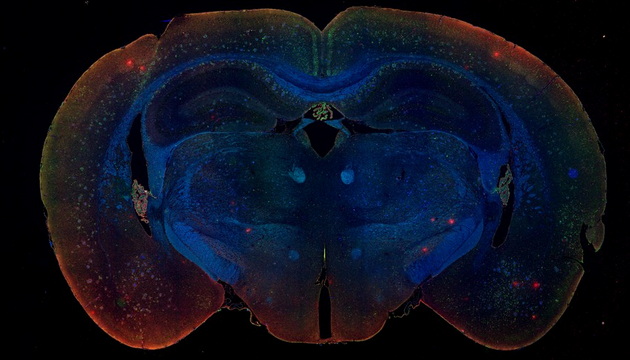
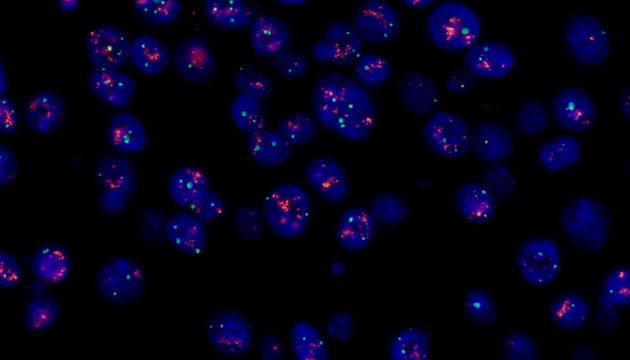
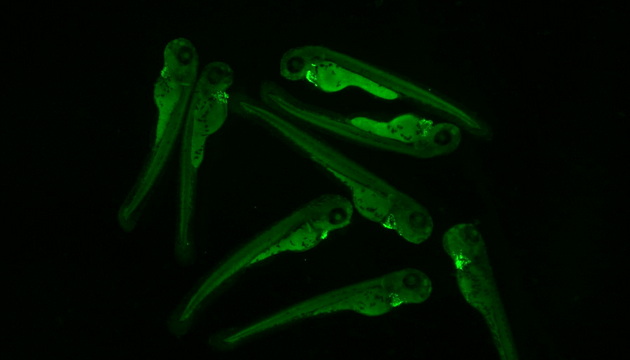
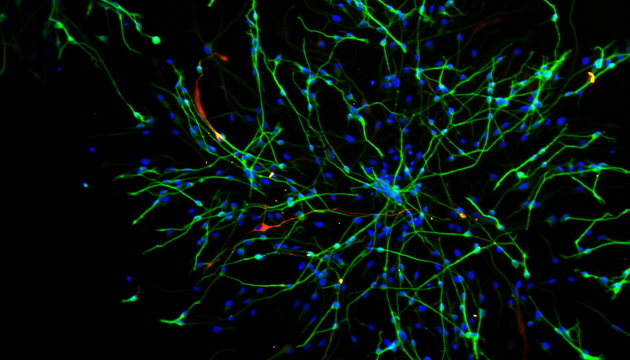
Fluorescence is a type of photoluminescence. Humans have known about photoluminescence (fluorescence, phosphorescence) for a very long time. In the 1990s, after scientists successfully expressed green fluorescent protein (GFP) in cells, fluorescence observation has been widely used in biological microscopic research. At present, fluorescence microscopes have become standard imaging equipment in laboratories
Biological research: including cellular and subcellular structures, cell physiology, animal physiology and pathology, etc.
Medical diagnosis: fluorescence in situ hybridization (FISH), HER-2 testing for cancer, respiratory virus detection, fungal microscopy, etc.
Industrial applications: component analysis of materials (minerals, textiles, paper, etc.), pharmaceutical testing, etc.
Challenges of Fluorescence Microscopy
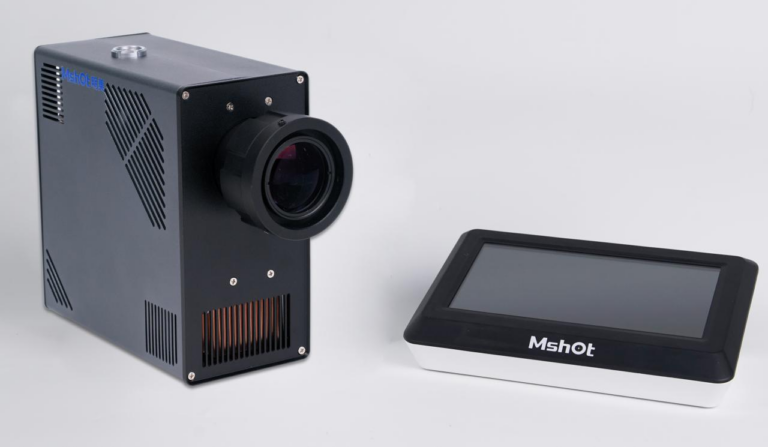
Fluorescence microscopy imaging emphasizes signal-to-noise ratio. Ensuring matching between fluorophore properties and excitation filters avoids background noise and color cross-talk, thus improving the signal-to-noise ratio.At the hardware level, a suitable fluorescence light source is also required. New LED fluorescence sources offer excellent excitation performance with instant on/off operation, avoiding the inconveniences of traditional light sources such as preheating, alignment maintenance, and bulb replacement.For multicolor fluorescence observation, the design of the fluorescence arm/modules must also be considered to optimize the number of channels, adaptability, and scalability.Finally, for fluorescence digital slide scanning, there are challenges such as illumination uniformity and processing difficulty, which require R&D investment to solve.
Solutions for Fluorescence Microimaging
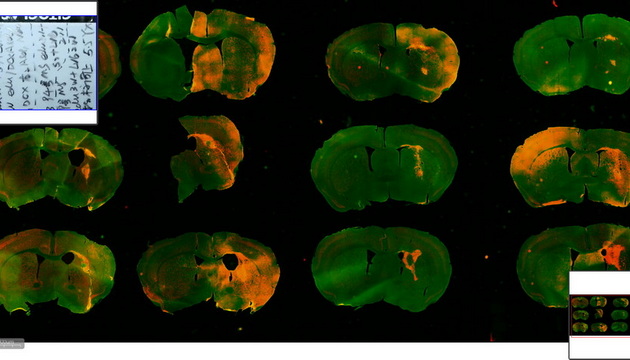
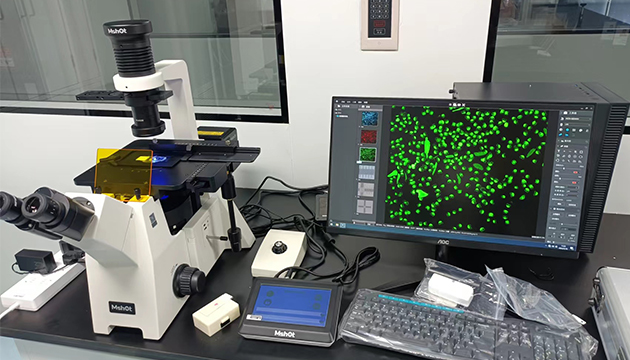
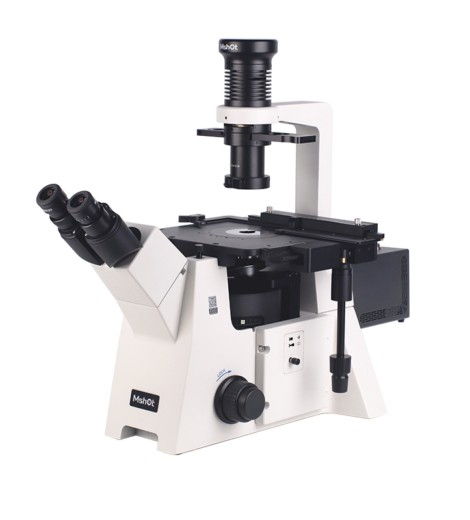
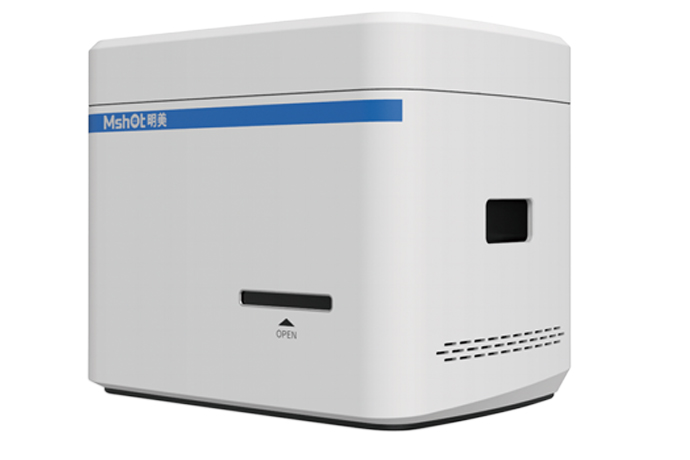
It meets the needs of routine fluorescence observation in research.Research-grade fluorescence observation solutions: research-grade inverted fluorescence microscope MF53-N and research-grade upright fluorescence microscope MF43-N, with research-grade bodies, equipped with LED fluorescence light sources such as Sunny MG-120, supporting optional fluorescence excitation blocks. Semi-apochromatic objectives deliver excellent imaging performance even for weak signals, meeting high-demand imaging requirements such as FISH and CTC.Fluorescence slide scanning solution: multi-fluorescence digital slide scanner MES200, featuring high-speed panoramic stitching and precise scanning, facilitating brain slice research and multi-fluorescence labeling analysis, promoting the development of fluorescence imaging technology.