Home » Microscopy Applications in Pathology Laboratories of CDC
Microscopy Applications in CDC Pathology Laboratories
In addressing emerging infectious diseases, chronic diseases and global public health challenges, pathology laboratories of the Centers for Disease Control and Prevention (CDC) undertake critical tasks including disease diagnosis, pathogen identification and source tracing of public health incidents.
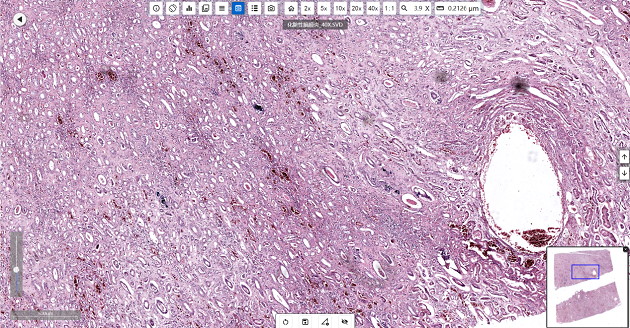
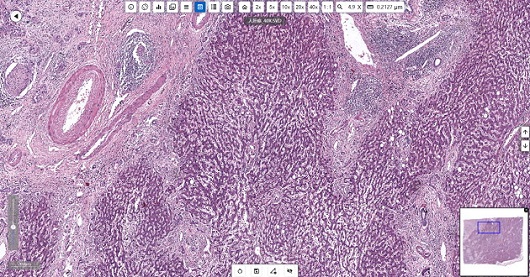
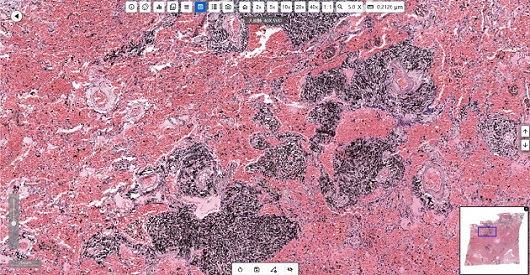
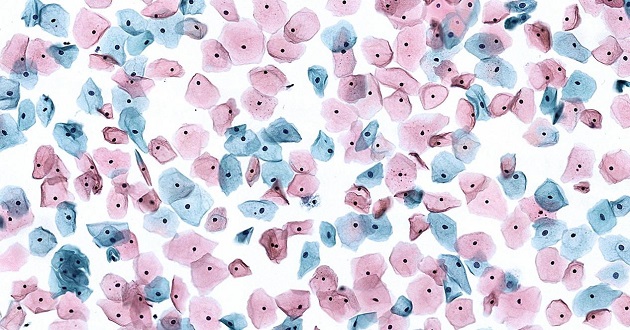
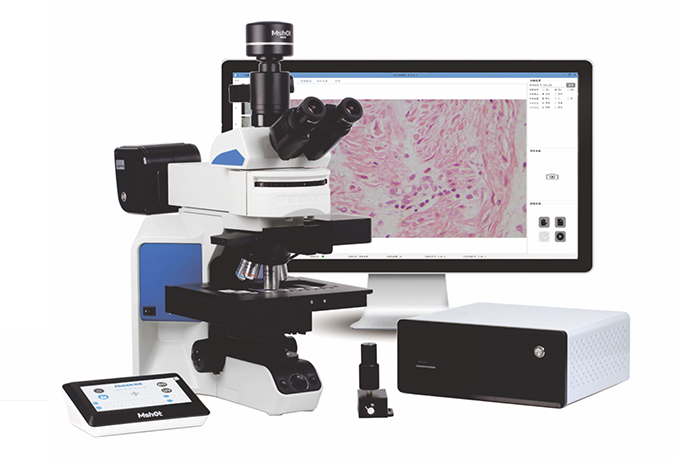
As fundamental equipment in the laboratory, optical microscopes play an irreplaceable role in histopathological analysis, pathogen detection and mechanistic studies.
Applications of Microscopes in Pathology Laboratories
Optical microscopes are involved in the entire workflow of disease diagnosis, mechanistic research, and public health decision-making in pathology laboratories of the Centers for Disease Control and Prevention (CDC).
They act as the “eyes” for disease diagnosis, the “probes” for scientific research, and the “cornerstone” for prevention and control decisions.
Challenges of Microscopic Imaging Technology in Pathological Observation
1.Difficulty in observing minute structures: Some tiny structures in cells and tissues, such as organelles and biological macromolecular complexes, are often near or below the resolution limit of optical microscopes.
2.Contrast issues: Low contrast in some samples makes it difficult to distinguish the fine structures of cells and tissues.
3.Optical aberrations: Optical aberrations including spherical aberration, chromatic aberration, and astigmatism can degrade the clarity and accuracy of images.