Fluorescence In Situ Hybridization (FISH)


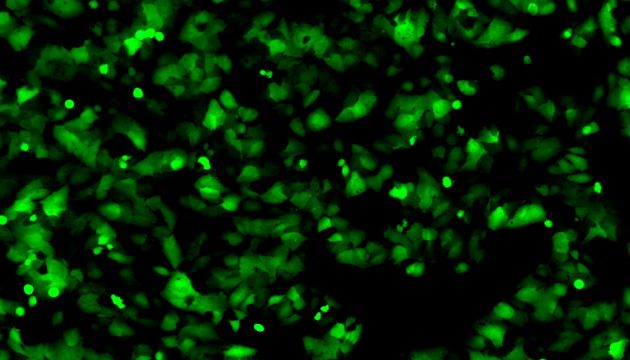
Fluorescence In Situ Hybridization (FISH) is a widely used molecular cytogenetic diagnostic technique in clinical pathological detection. Its principle lies in the hybridization of fluorescent dye-labeled DNA nucleic acid probes (either directly or indirectly labeled) with DNA sequences in the test sample, based on the principle of base complementary pairing. The location and quantity of fluorescent signals are then observed under a fluorescence microscope to determine the deletion, amplification, translocation, and other abnormalities of the target sequences.
 
Characterized by high resolution, direct reflection of abnormal cell ratios, rapidity and simplicity, FISH has become an important tool for clinical detection, prognosis evaluation and medication guidance.
Pet Hospital front

Applications of Fluorescence In Situ Hybridization (FISH)


FISH is widely used in chromosomal aberration analysis, genomic research and clinical diagnosis.

In tumors such as breast cancer, cervical cancer and bladder cancer, it can accurately detect genetic abnormalities and guide targeted therapy.

In prenatal testing, it screens fetuses for chromosomal abnormalities.

In hematologic malignancies, it assists in prognosis prediction and personalized treatment.

This technique detects genetic materials using a variety of specimens, including peripheral blood, amniotic fluid, bone marrow, etc.

Challenges of Fluorescence In Situ Hybridization (FISH)


FISH technique faces challenges such as weak fluorescence signals, background noise, and multi-channel signal overlap.
 
To ensure sufficient fluorescence signal intensity, a research-grade fluorescence microscope, semi-apochromat or higher objectives, and a high-power LED fluorescence light source or mercury lamp are generally required.
 
To suppress background noise, filters with high optical density (OD) and high-sensitivity cameras are typically used.
 
When dealing with multi-channel overlap, it is necessary to extract red and green signal spots and overlay them onto the blue DAPI signal, which requires considerable expertise in image processing.

Solutions for Fluorescence In Situ Hybridization (FISH)


(1) FISH Imaging Solution
MF43-M Microscope + MS23 Camera + MG-120 Four-Channel Light Source, equipped with a 6-position fluorescence module, high-quality filters, high-transmittance objectives, and a high-sensitivity camera, including professional FISH analysis software.
 
(2) FISH Upgrade for Four Major Brands of Microscopes
Retrofit with Mingmei 6-position fluorescence module, MG-120 or MG-200 fluorescence light source, and MS23 camera. Features strong compatibility, flexible expansion, and support from professional analysis software.
 
(3) LED Light Source Upgrade
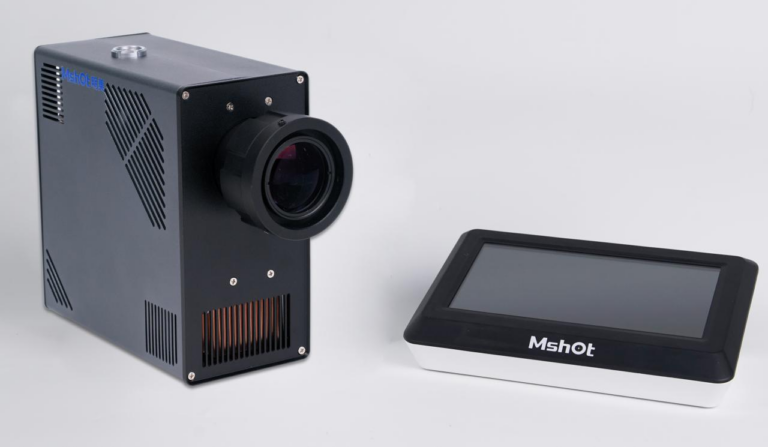
The MG series is compatible with fluorescence microscopes from four major brands, offering high brightness, full spectrum, easy operation, and long service life. The MG-200 is specially equipped with liquid cooling for even higher light intensity.


Product Recommendations