Microscopy Applications in Occupational Health Laboratories of CDC


With the rapid development of industrialization and technology, the importance of occupational health laboratories in Centers for Disease Control and Prevention (CDC) has become increasingly prominent.

By detecting hazards in the workplace such as dust, chemical toxicants and noise, these laboratories prevent diseases including pneumoconiosis and occupational poisoning, thereby safeguarding workers’ health.

They can respond promptly to sudden occupational hazards, such as chemical leaks or radiation accidents, by quickly analyzing hazard sources and providing a basis for disposal.
 

They also supply scientific data for the government to revise occupational health standards (e.g., the GBZ series).

With the emergence of new industries such as electronic manufacturing and new energy, laboratories must continuously upgrade their technologies.
 
As a core testing instrument, microscopes in particular require ongoing improvement to address new challenges in occupational health.

Applications of Microscopes in Occupational Health Laboratories


Occupational health laboratories at Centers for Disease Control and Prevention (CDC) serve as the core technical support institutions for occupational disease prevention and control.


They cover functions including hazard factor detection, health risk assessment, occupational disease diagnosis support, and emergency response to sudden accidents, making them an important technical platform for safeguarding workers’ health rights and interests.

Challenges of Microscopic Imaging in Occupational Health Observation


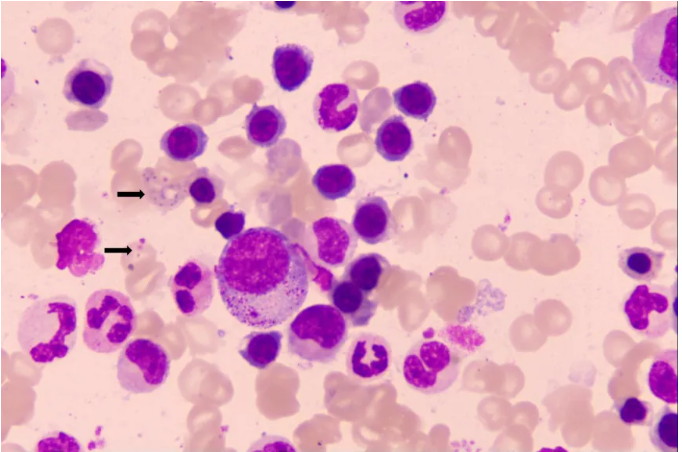
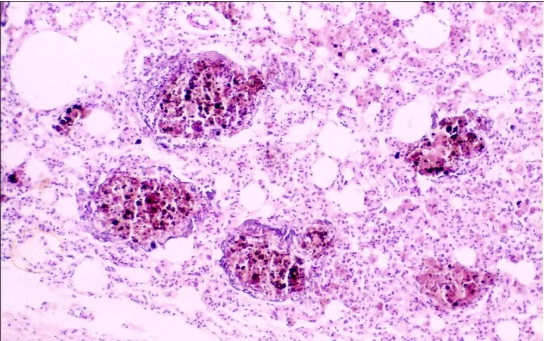
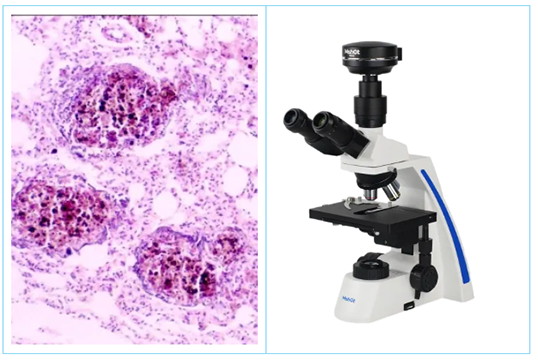
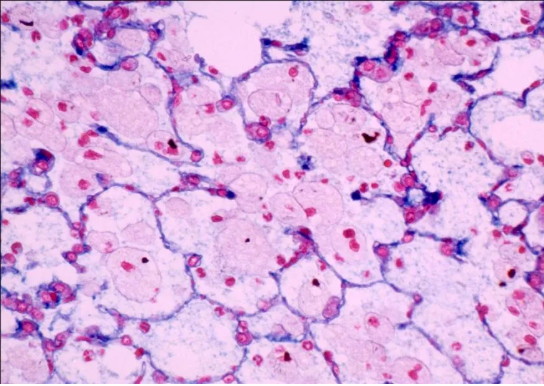
In the detection of common occupational diseases, such as pneumoconiosis and heavy metal poisoning, high-power microscopes are required for observation.
 
During evaluation and detection, comparative analysis of cell morphology is necessary, which demands superior imaging performance.
 
This imposes higher requirements on both microscopes and microscopic cameras, enabling better evaluation and analysis of cell morphology.

MSHOT Mingmei Microscopy Solutions


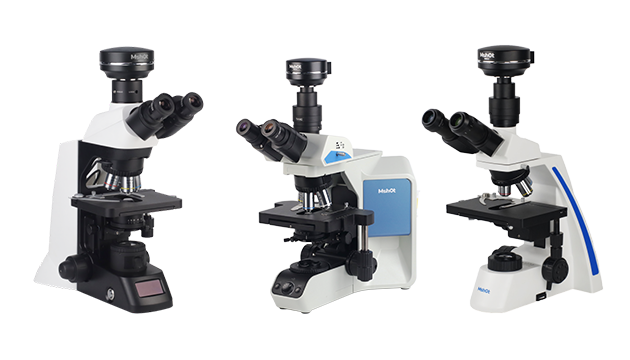
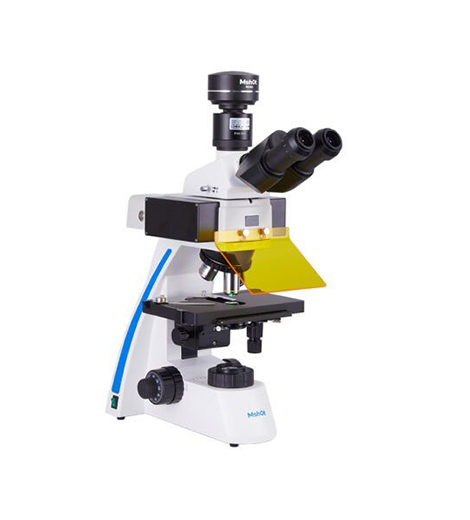
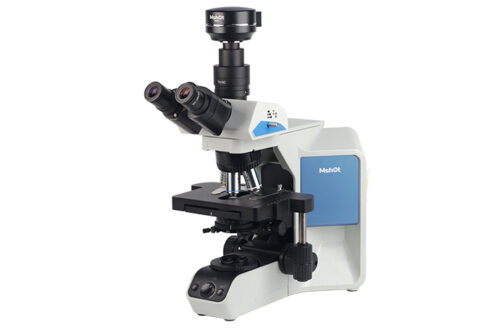
Recommended upright biological microscopes: ML51‑N / ML45 / ML31 with microscope cameras MDX10, MD60, etc.
 
Intelligent digital biological microscope ML45:
Magnification 40X–1000X, coded objective turret, brightness memory, LED digital display showing real-time working status, ECO auto shut-off when unattended. Upgradable for phase contrast, darkfield, simple polarized light and fluorescence observation.
 
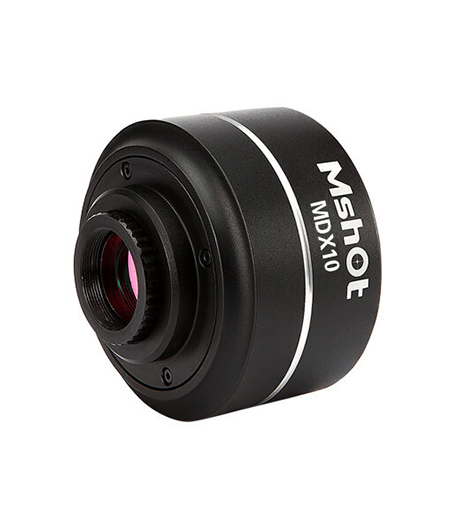
Microscope camera MDX10:
20-megapixel high resolution, 1-inch large-format sensor, 22 frames per second at full resolution, balancing high-definition imaging and speed.

Product Recommendations