
Especially in the treatment of kidney diseases, MSCs provide new ideas for clinical treatment through mechanisms such as promoting tissue repair and reducing inflammatory responses.
MSHOT Live Cell Scanning Analyzer MCS31 provides reliable technical support for mesenchymal stem cMesenchymal Stem Cells (MSCs) show broad application prospects in the field of regenerative medicine due to their strong tissue repair ability, low immunogenicity and high safety.
Mesenchymal Stem Cell (MSC) research with its high-precision imaging and long-term stable monitoring capabilities.
1.Research Progress of Mesenchymal Stem Cells (MSCs) in the Treatment of Kidney Diseases
In recent years, a number of clinical studies have confirmed the potential of MSCs in the treatment of kidney diseases. For example, a study published in the Journal of the American Society of Nephrology (J Am Soc Nephrol) showed that in patients with atherosclerotic renovascular disease, renal blood perfusion, oxygen content, and glomerular filtration rate were all improved after MSC treatment, indicating that MSC therapy can improve renal function and reduce inflammatory damage.

The research team from a Chinese University further pointed out in Cell Transplantation that MSC transplantation for the treatment of kidney diseases has high safety and tolerability. The efficacy of MSCs can be enhanced through strategies such as drug combination, hypoxic preconditioning, or genetic modification.

In addition, a case report led by the Pakistan American Hospital showed that a 70-year-old patient with diabetic renal failure experienced improved renal function indicators without side effects after receiving combined treatment with umbilical cord-derived MSCs and exosomes. These studies provide strong evidence for the clinical application of MSCs.

2.Core Characteristics and Research Requirements of Mesenchymal Stem Cells (MSCs)
Mesenchymal Stem Cells (MSCs), known as the “master of human body repair”, have the following characteristics:
Multidirectional differentiation potential: They can differentiate into osteocytes, adipocytes, chondrocytes, etc., and are suitable for various tissue repairs.
Immunomodulatory function: They promote the repair and regeneration of damaged tissues by regulating inflammatory responses.
Widely sourced: They can be extracted from tissues such as bone marrow, umbilical cord, and adipose tissue, making them easily accessible for clinical use.
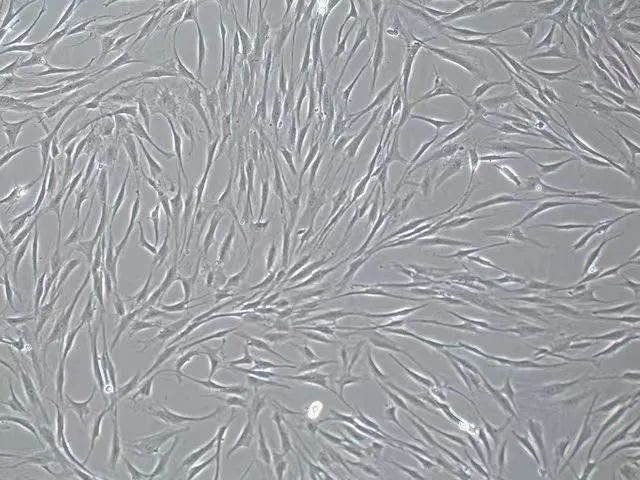
However, the research on Mesenchymal Stem Cells (MSCs) requires long-term, high-definition dynamic observation of living cells to analyze their proliferation, migration, and differentiation behaviors. Traditional microscopy techniques, due to problems such as strong phototoxicity and insufficient stability, are difficult to meet this demand.
3.Technical Features of MCS31 in Mesenchymal Stem Cell (MSC) Research
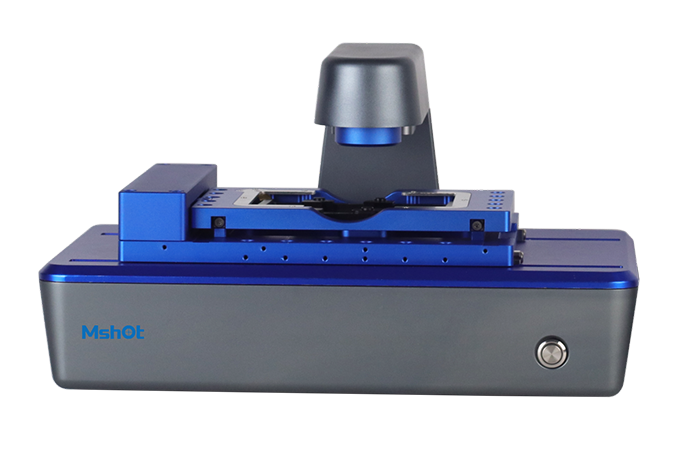
MSHOT Live Cell Scanning Analyzer MCS31 is specifically designed for long-term live cell observation, with the following core technical features:
(1)Low phototoxicity and long-term imaging:
- Adopting a 625nm red LED light source, it significantly reduces photobleaching and cell damage, supporting continuous observation for more than 72 hours.
- Fully sealed inverted optical path design:It can be entirely placed in a 37°C, 5% CO₂ incubator to ensure cell viability.
(2)High-definition imaging system:
- Equipped with 4×/10×/20× long working distance objectives and a high-sensitivity CMOS camera with a resolution of 5 million pixels, it can clearly capture the morphological changes and movement trajectories of MSCs.
- It supports switching between bright-field/phase contrast imaging and is compatible with fluorescent labeling (UV/B/G three-color fluorescence) to meet diverse research needs.
(3)Intelligent operation and analysis:
- Motorized XYZ platform with 0.1μm Z-axis precision, supporting Z-Stack multi-focal plane imaging to improve image clarity.
- The software supports remote control, email alerts, time-lapse photography, and automatic analysis functions (such as cell confluency, scratch assay, etc.), greatly improving experimental efficiency.
(4)Wide adaptability:
- Compatible with various containers such as 6-384 well plates, culture flasks, and petri dishes to meet the needs of different experimental scenarios.
MSHOT Live Cell Scanning Analyzer MCS31 provides an efficient observation tool for mesenchymal stem cell (MSC) research through its high-precision imaging and long-term stable monitoring capabilities. It has important value in cell dynamic analysis, drug development, and preclinical research, helping researchers to deeply explore the therapeutic potential of stem cells.