
Infertility affects one in every six couples of reproductive age globally, with female factors accounting for half of these cases. Among these, oocyte meiotic arrest is one of the major causes of infertility. However, the molecular mechanisms behind the complex and tightly regulated process of oocyte meiosis remain largely unclear.
On June 22, 2023, the research team of Professor Bao Jianqiang from the School of Life Sciences and Medicine at the University of Science and Technology of China published a study titled “Maternal NAT10 orchestrates oocyte meiotic cell-cycle progression and maturation in mice” in Nature Communications. The research highlights the molecular mechanisms by which N-acetyltransferase (NAT10) regulates oocyte meiotic division and maturation in mice.
The study investigates the development of oocytes from the germinal vesicle (GV) stage to the metaphase II (MII) stage during meiosis. During this process, 40% of maternal mRNA undergoes degradation, primarily regulated by the CCR4-NOT complex. Post-transcriptional RNA modifications have become a key focus in gene expression regulation, with oocyte mRNAs exhibiting a rich array of epigenetic modifications. Some of these modifications, such as N6-methyladenosine (m6A), have been shown to be closely related to the active degradation of maternal mRNAs. NAT10 is an enzyme that catalyzes the formation of ac4C modifications on RNA. This study reveals that NAT10, through ac4C modification of certain key genes, such as mRNAs in the CCR4-NOT complex, ensures proper assembly and function of the CCR4-NOT complex. This process shortens the poly(A) tail of maternal mRNAs, leading to their degradation and ensuring the normal progression of meiosis.
The researchers employed Mshot ML31 biological microscope, MSX2 digital microscope camera, and Mshot imaging analysis software to establish a microscopic imaging analysis system. By using hematoxylin and eosin (HE) staining to examine ovarian tissue slices from mice of various ages, they observed that following Nat10 knockout, follicular development was arrested at the MI stage. This indicates the critical role of Nat10 in oocyte meiosis.
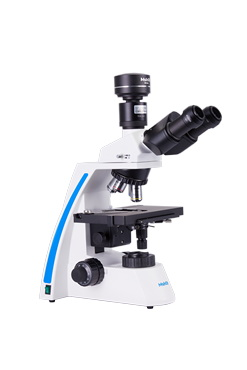
Mshot Imaging Technology Features:
- Infinity Optical System with great potential for further expansion
- 10X/22mm wide field high-eye point eyepiece
- High-transparency flat-field achromatic objectives
- Expandable functionalities, including dark-field and polarization options
- Long-life LED Kohler illumination system

Impressive Imaging Performance:
- 12.5 MP high-resolution for excellent detail representation
- 1-inch large target sensor for superior fluorescence imaging
- Highly accurate color reproduction, delivering more realistic and vivid images
- Smooth video with 15fps at full resolution

The findings of the study suggest that the ac4C modification formed by NAT10 plays a crucial role in the regulation of oocyte meiotic division, providing a potential therapeutic approach for clinical cases of female infertility with similar conditions.