In an era marked by frequent food safety incidents and ongoing disputes over drug quality, the microbial testing laboratories of the Food and Drug Administration have become the first line of defense in safeguarding public health.
Microbial testing laboratories hold a strategic position within the Food and Drug Administration system. They serve as a crucial technical support for the administration to perform its regulatory functions, and a core technical platform for ensuring food and drug safety and driving innovation in regulatory science.
Laboratories employ sophisticated technical means to accurately screen for microbial contamination in food and drugs. As a core tool in this process, the microscope, with its exceptional performance, has rightfully earned its reputation as a “microscopic workhorse.”
1.Microorganisms Under the Microscope
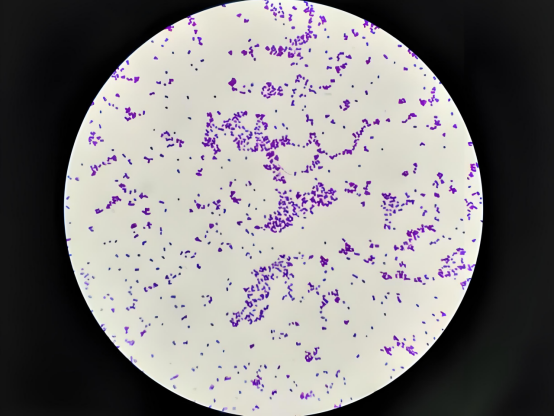
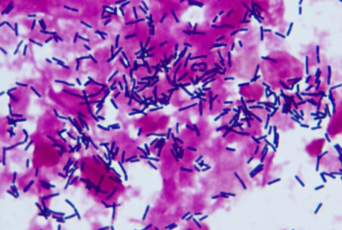
1.Bacterial classification: Through the obvious differences in morphology and staining characteristics between Gram-positive bacteria and Gram-negative bacteria, combined with observation under Mshot microscopes, Gram-positive bacteria (such as Staphylococcus aureus) and Gram-negative bacteria (such as Escherichia coli) can be distinguished, providing a basis for subsequent drug sensitivity tests.
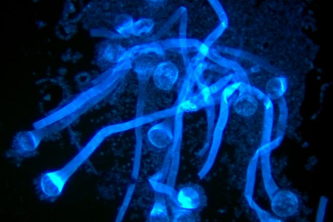
2.Fungal identification: Microscopes can clearly display the mycelium and spore structures of molds, assisting in judging whether food is contaminated by fungi such as Aspergillus flavus.
2.Technical Challenges
- Resolution requirements: Microbial particles in food are small and vary in quantity, requiring a high numerical aperture to improve imaging sharpness.
- Contrast optimization: Parasite eggs are often mixed with food components, so it is necessary to enhance contour details to make the bacteria stand out in the field of view and improve detection sensitivity.
3.Recommended Solutions by MSHOT
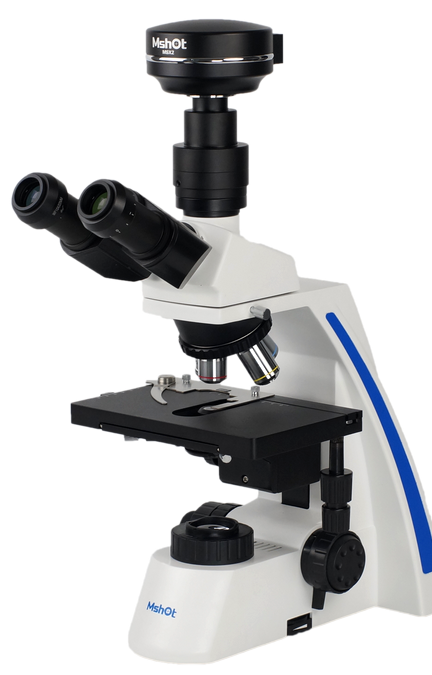
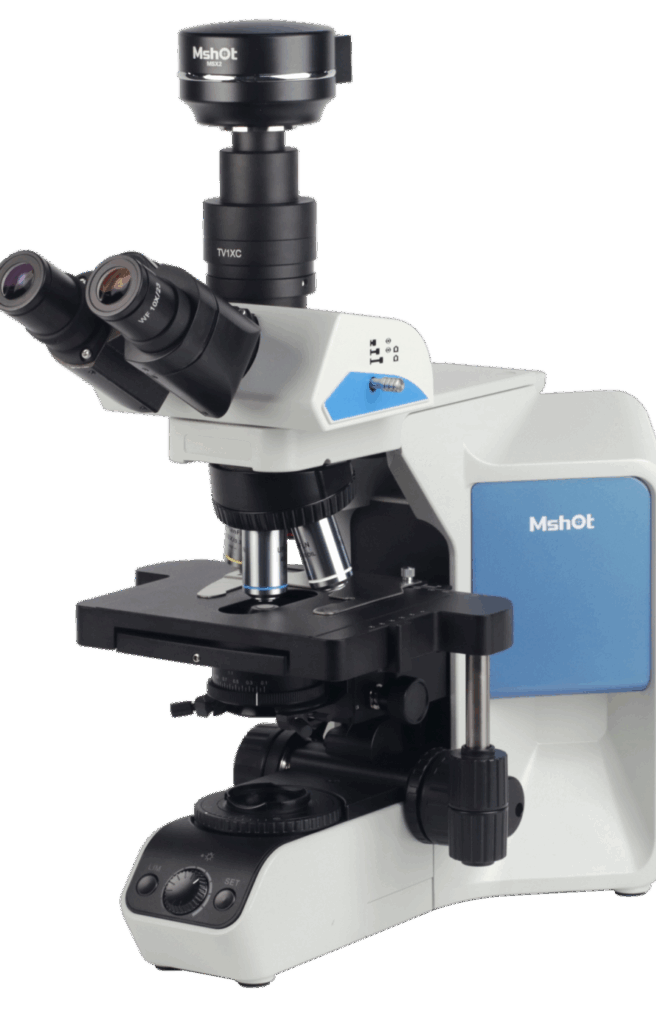
- Recommended upright biological microscopes: ML31/ML51-N (with oil immersion lens) + MSHOT microscope cameras MD60/MDX10. Suitable for brightfield observations such as bacterial detection.
- Biological microscope ML31:Infinity optical system, 40x-1000x magnification, plan achromatic objectives, upgradable for phase contrast, darkfield, simple polarization and fluorescence observations.
- Research-grade biological microscope ML51-N: 40x-1000x magnification, high numerical aperture semi-apochromatic objectives for sharp imaging; encoded 5-hole objective turret, 1μm ultra-fine focusing precision, suitable for detailed observation; 10x/23mm large field of view eyepieces for wider sample coverage.
- Microscope camera MDX10: 20 million high pixels, 1-inch large-size chip, 22 frames per second at full resolution, balancing high definition and speed.
- Microscope camera MD60: 6.3 million pixels, 64MB image buffer + USB3.0 interface, 59fps high frame rate, featuring high frame rate and low latency.
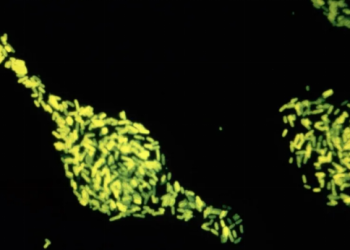
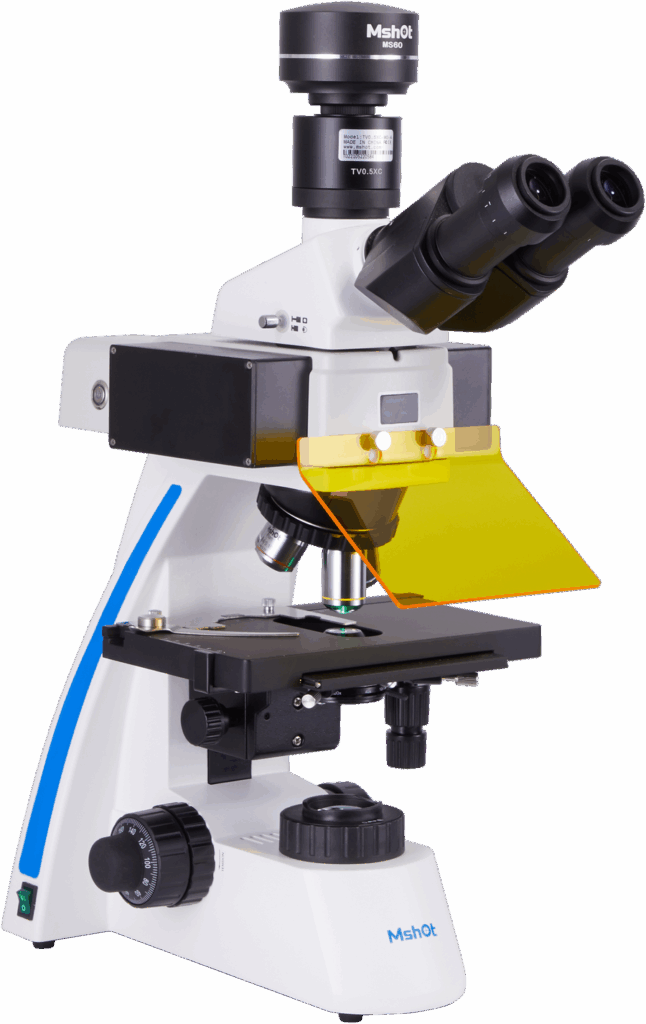
- Recommended upright fluorescence microscope MF31 + MSHOT microscope camera MD60/MDX10, suitable for fluorescent observation of fungi.
- Upright fluorescence microscope MF31: Adopting infinite plan achromatic objectives with 40x-1000x magnification, it supports binocular or trinocular observation. Equipped with an LED fluorescence excitation device, it enables brightfield and fluorescence microscopic observation.
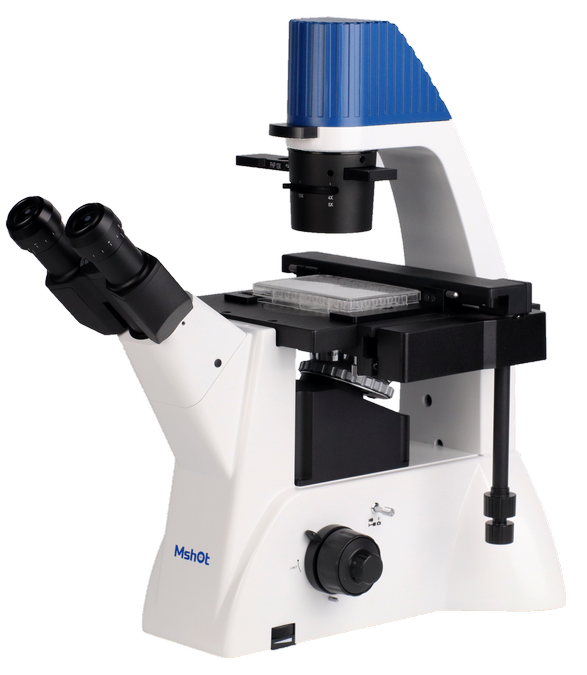
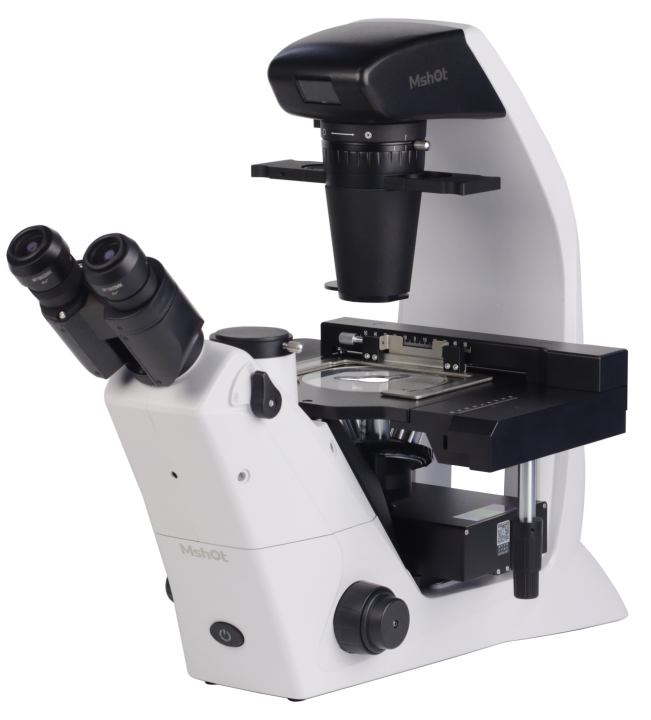
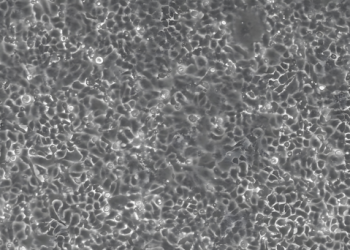
- Recommended inverted biological microscopes MI52-N/MIX60 + MSHOT microscope cameras MD60/MDX10, suitable for auxiliary observation of viruses.
- Inverted biological microscope MI52-N: Adopting infinity independent achromatic optics, it comes standard with plan semi-apochromatic objectives and 10X/22 large field-of-view eyepieces. Equipped with a long-life, high-brightness phase contrast LED light source, it achieves excellent imaging in both brightfield and phase contrast modes.
- Research-grade biological microscope MIX60: Featuring high-performance imaging and intelligent operation, it is equipped with an ultra-long working distance condenser, supporting brightfield and phase contrast observations, and can be upgraded for fluorescence observation. It is furnished with an OLED digital display screen and voice broadcast function, which can display light intensity and objective magnification in real time.