The Rise of Organoids: terminator or Complement to Animal Experiments?
In 2025, the U.S. National Institutes of Health (NIH) officially announced a groundbreaking policy: starting from the current fiscal year, it will no longer fund preclinical research that relies solely on animal models.
Almost simultaneously, the FDA, in conjunction with the European Commission, released a roadmap, planning to formulate a specific plan to phase out animal testing in chemical evaluations by 2026. And the core driver behind this transformation is precisely organoid technology.
1.From Cell Aggregates to Micro-Organs: The Technological Evolution of Organoids
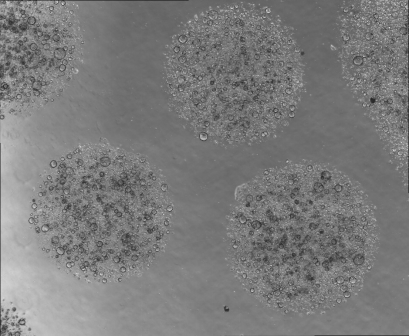
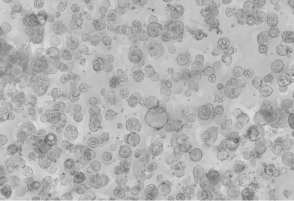
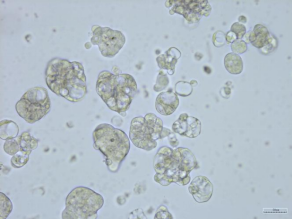
“Organoids”, also known as “mini-organs”, had their conceptual origins in the self-organization phenomenon of sponge cells over a century ago. It was not until a hundred years later, in 2009, that the team of Dutch scientist Hans Clevers used adult stem cells from mouse intestines to cultivate intestinal organoids with crypt-villus structures in vitro. This marked the first successful simulation of organ functions, and the term “Organoid” was formally proposed.
In the subsequent decade or so, organoid technology has experienced explosive development:
- 2011: The first retinal organoid was successfully cultivated from mouse embryonic stem cells.
- 2013: Human stem cell-derived brain organoids were developed and listed among Science’s Top 10 Technologies of the year.
- 2014: Breakthroughs were made in prostate and lung organoids one after another…
- 2025: A deep learning model for predicting the growth of ovarian cancer organoids achieved an AUC of 0.85 in early prediction.
2.Organoid-based Precision
Drug Research and Development
In 2021, the failure rate of new drugs entering clinical development was nearly 90%, with countless experimental animals consumed in the process. The average cost of successful development even reached as high as 2 billion US dollars.
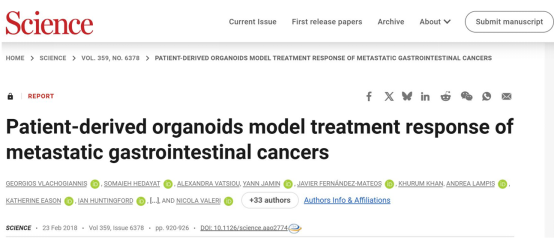
A 2018 study in Science used 110 fresh tissue samples from 71 patients with colorectal cancer and gastroesophageal cancer to construct organoids. The study found that the phenotypic and genotypic profiles of these organoids were highly similar to the original patients’ tumors. In predicting the effectiveness of anti-cancer drugs, they showed 100% sensitivity, 93% specificity, 88% positive predictive value, and 100% negative predictive value.
Precision Medicine
Patient-derived organoids (PDOs) retain the genomic and epigenetic characteristics of the original tumors, making them an excellent platform for personalized drug testing. In ovarian cancer treatment, doctors can cultivate patient-specific organoids within 2-4 weeks to test the responsiveness of different chemotherapy regimens, with the success rate increasing from 23-53% with traditional methods to 85% as predicted by deep learning.
Rare Disease Research
There are over 7,000 rare diseases worldwide without treatment, among which only about 400 have been studied. The main bottleneck is the lack of suitable animal models. Organoid technology, by directly using patient cells to construct disease models, brings hope to these “orphan diseases”.
It is evident that compared with traditional research and development methods, organoids offer higher efficiency and more accurate data performance.
3.Sources of Organoids’ Advantages
The reason why organoids are more specific than animal experiments in some aspects is mainly that they are directly derived from human stem cells (pluripotent or adult stem cells), and their genome, epigenetic characteristics, cell type composition, tissue structure, metabolic pathways, and drug responses are highly representative of humans themselves. In contrast, although model animals used (such as mice, rats, zebrafish, and non-human primates) have homologous genes and similar physiological processes, there are fundamental differences between species in terms of gene expression, metabolic enzyme profiles, immune systems, organ structures and functions, disease susceptibility, etc.
Animal models cannot fully simulate human-specific biological characteristics and disease mechanisms.
Moreover, organoids can be cultured from cells of specific patients (healthy or diseased) (such as skin, blood, biopsy tissues), or specifically cultured for certain organs (such as liver, intestinal, brain organoids, tumor organoids, etc.), allowing research to focus highly on the cell types, structures, and functions of target tissues.
4.Will animal experiments disappear with the emergence of organoids?
To draw a conclusion first: no.
The biggest limitation of organoids lies in the gap in systemic physiology.
When the active metabolites produced by the metabolism of anti-cancer drugs in the liver are toxic to the heart, such systemic effects can only be detected through multi-organ tandem models, and organoids currently struggle to simulate interactions between organs.
Research on Alzheimer’s disease highlights this limitation: although non-human primates have similar β-amyloid accumulation, there are essential differences from humans in the patterns of phosphorylated Tau protein deposition and cognitive decline. Meanwhile, current brain organoids have not yet broken through the technical bottlenecks of vascularization and immune system integration.
5.How does MCS31 provide solid support for the development of organoids?
Rigorous experiments are an important foundational guarantee for the establishment, development, standard-setting, and application of a technology. Organoids require a strict production environment throughout the entire process, including culture, quality verification, and standard validation, with each link being crucial. For monitoring their growth process, checking culture outcomes, observing growth status, detecting contamination, conducting pharmacological experiments, etc., an excellent live-cell scanning analyzer can offer significant assistance.
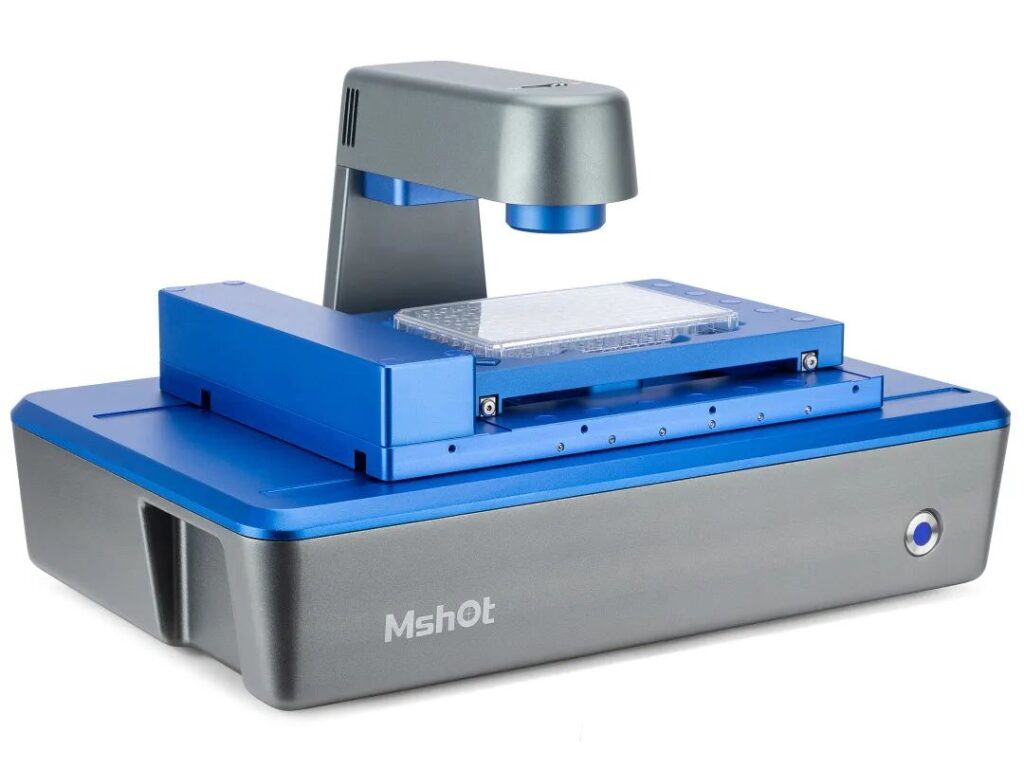
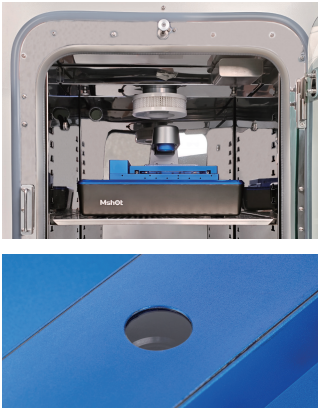
Our independently developed Live Cell Scanning Analyzer MCS31 can easily meet the relevant requirements in stem cell culture and organoid research.
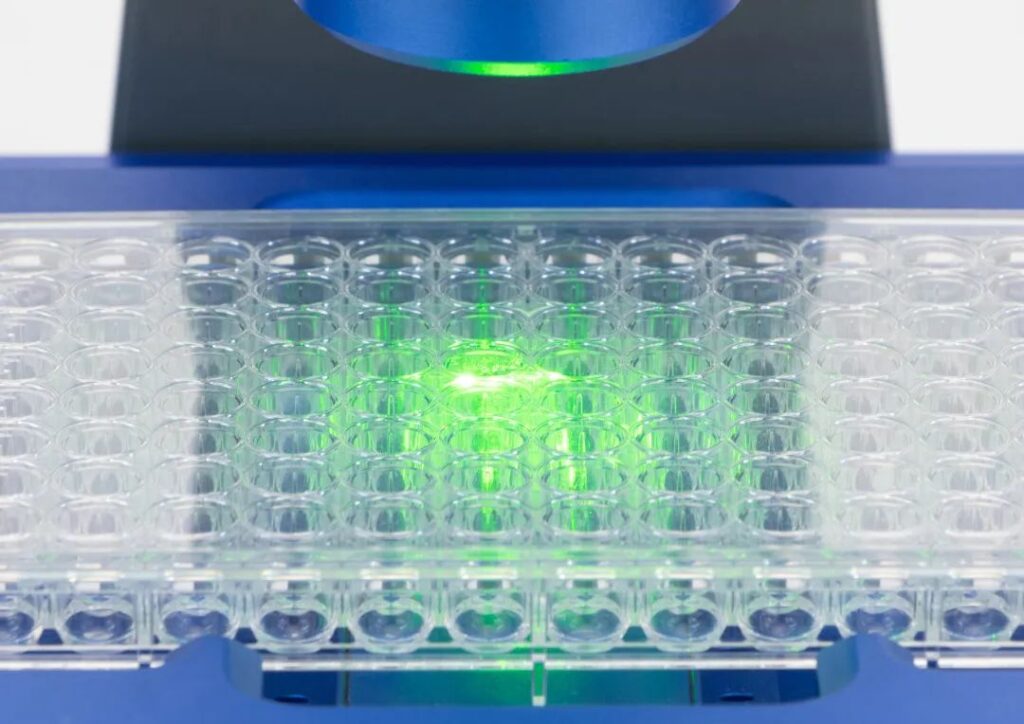
Three-color fluorescence switching
Standard-equipped with BGU three-color excitation band fluorescence, with electric control for one-click switching.
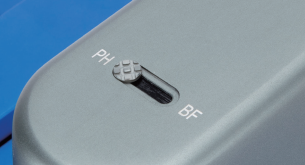
Brightfield/phase contrast switching
Enables one-click switching between brightfield and phase contrast observation, suitable for viewing different samples.
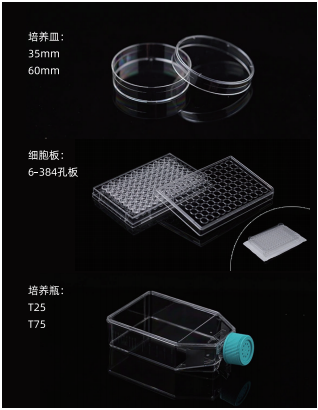
Compatibility with multiple carriers
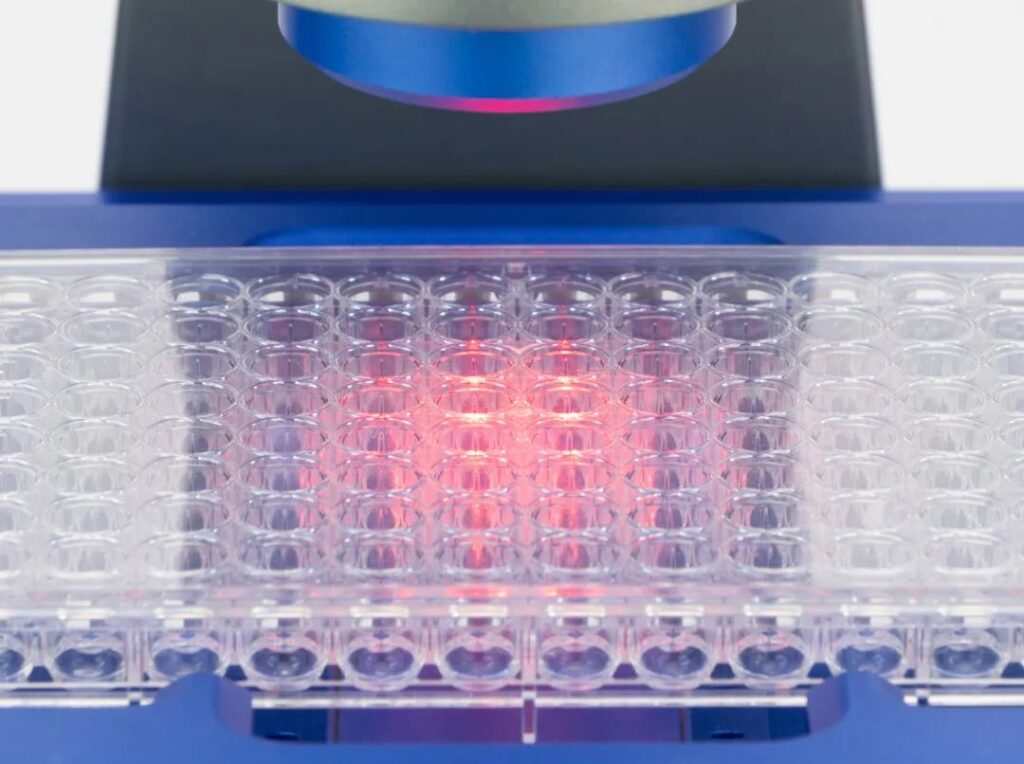
Provides various vessel carriers, capable of holding multi-specification cell plates, petri dishes, culture flasks, slides, etc., adapting to diverse experimental scenarios.
Waterproof, anti-corrosion, and military-grade triple protection
Can be sterilized using conventional methods such as alcohol, hydrogen peroxide, and ultraviolet rays; usable in carbon dioxide incubators.
Dual objective electric switching
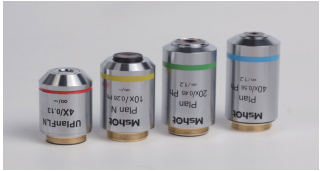
Inverted optical path with dual objectives, optional factory-set magnifications of 4X/10X/20X.
Low phototoxic light source
The brightfield light source is a 625nm red LED, featuring low photobleaching and low cytotoxicity to protect samples.
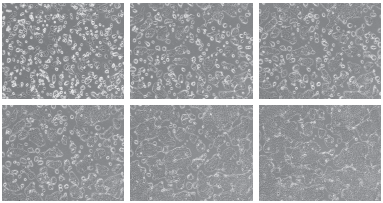
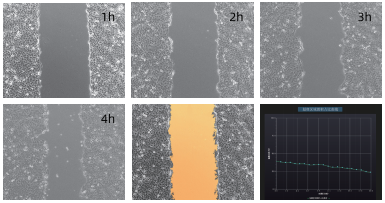
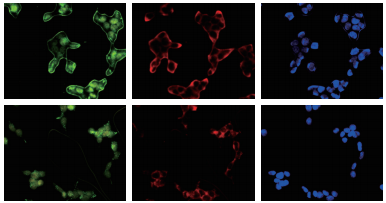
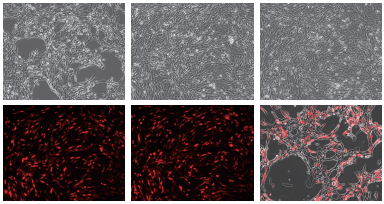
It also comes with supporting software analysis functions, which can analyze data such as cell scratch assays, fluorescence transfection experiments, cell viability, and cell confluency. Additionally, it allows for intelligent training of specialized functions through AI software to meet the needs of specific experimental analyses.