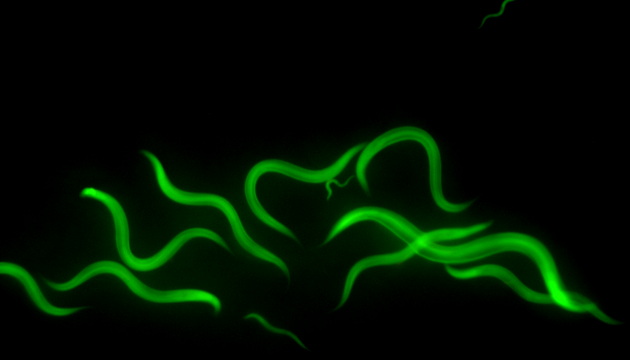
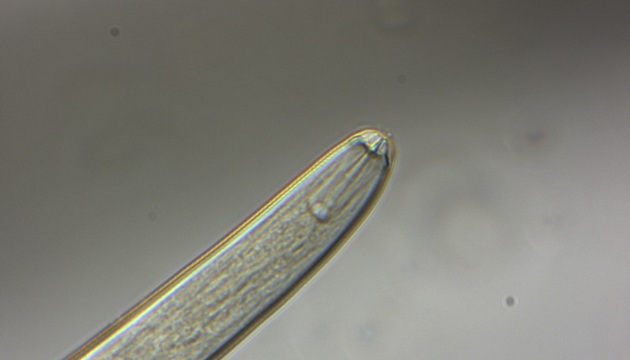
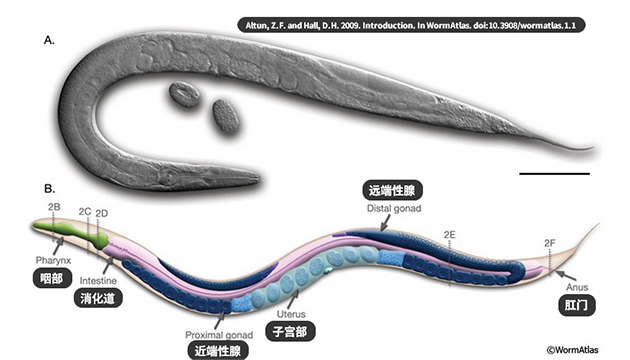
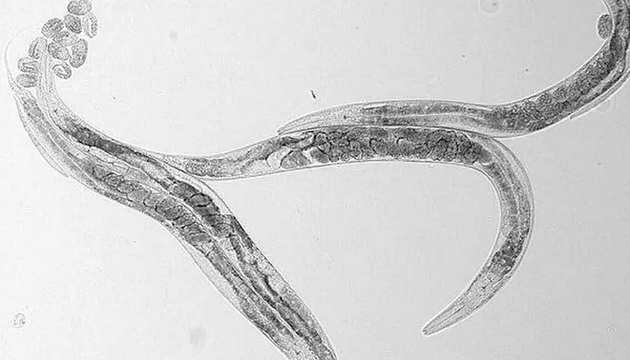
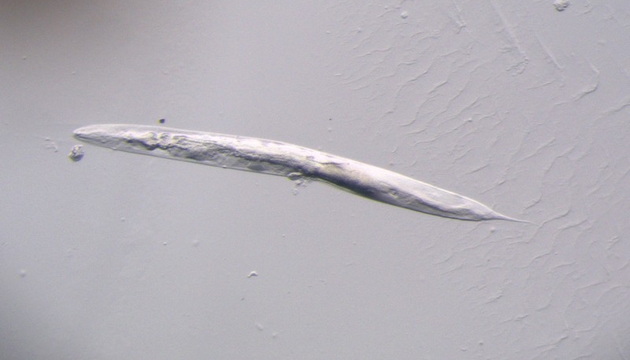
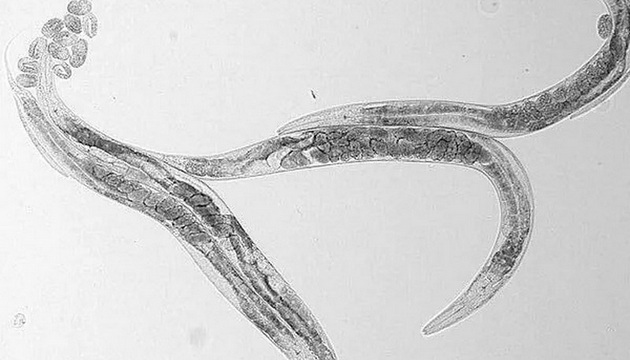
Nematodes are unsegmented, multicellular invertebrates. Most are worm-like and thread-shaped. Among them, Caenorhabditis elegans (C. elegans) plays a vital role in biological research. It was the first animal to have its genome fully sequenced. About 40% of its approximately 20,000 genes are homologous to human genes. In addition, C. elegans has a short life cycle, high reproductive capacity, complete developmental and anatomical characteristics, as well as complex genetic traits. Therefore, it is an important model organism for biological research.
Nematodes are fully transparent and small in size, so they can only be observed with the help of microimaging technology. Brightfield or oblique illumination can be used for the culture and selection of nematodes. Hoffmann modulation contrast enables microinjection operations on nematodes. Finally, fluorescence labeling and fluorescence observation techniques allow for research and observation at a finer level of detail.
Challenges of Microimaging in Nematodes
Nematode culture and selection require sufficient working space and three-dimensional perception, which can be met using a stereomicroscope. Although conventional stereomicroscopes allow overview of the overall morphology, details of internal structures rely on high-power biological microscopes (upright or inverted), which imposes high requirements on the optical performance and operational precision of the microscope. In addition, characteristics such as variable transparency and high mobility of nematodes increase imaging difficulty, requiring specific techniques such as fluorescent labeling and fixation for assisted observation.
Solutions for Microimaging in Nematodes
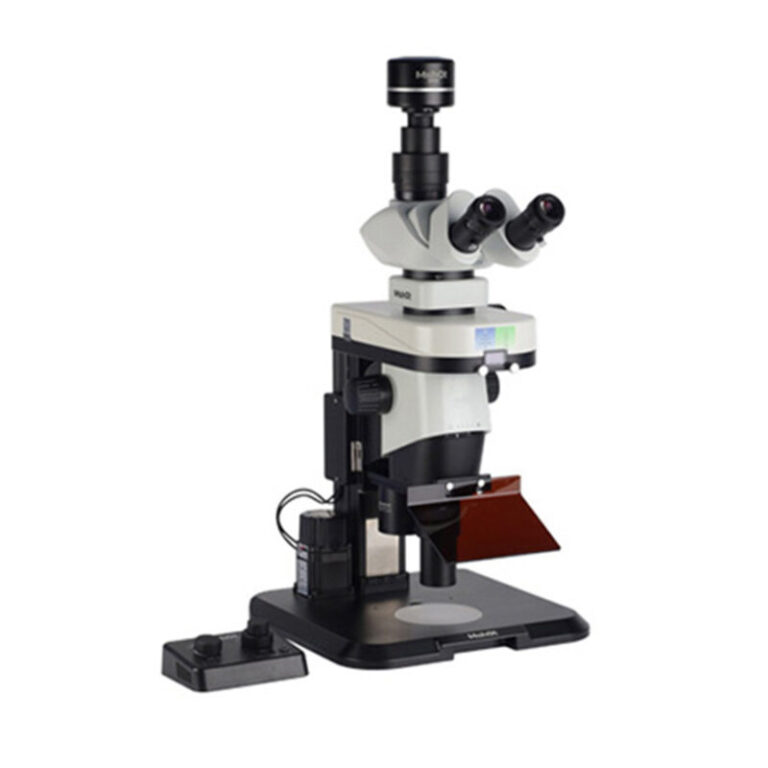
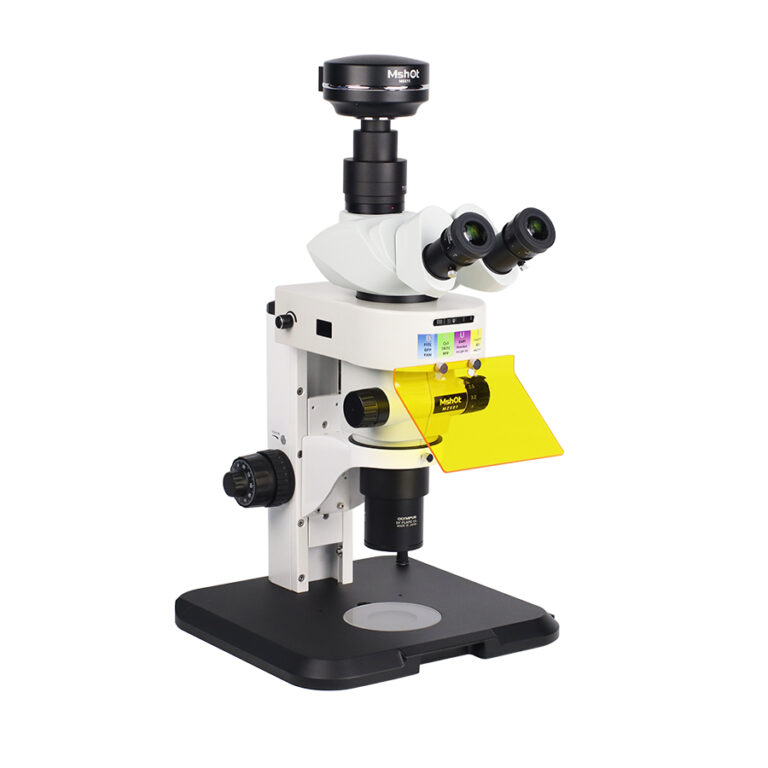
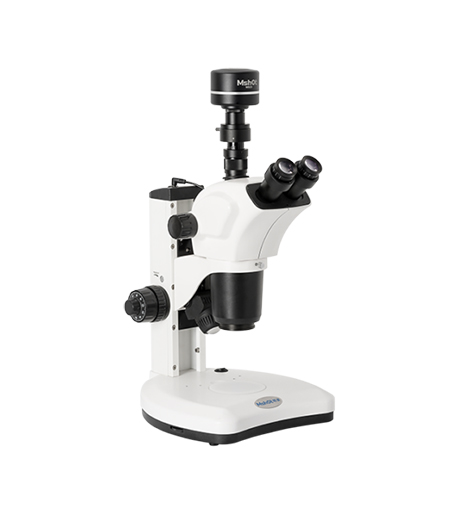
Integrated dual-use solution: high-power stereo fluorescence microscope MZX200, with switchable 1×/10× APO objectives, ultra-wide magnification range and fluorescence observation capability, replacing the traditional combination of stereomicroscope and biological microscope.Brightfield Selection and Observation Solution: MZ62/MZ101 are recommended, featuring extra-large working space for convenient selection and manipulation. An optional oblique illumination base provides three-dimensional digital imaging.Fluorescence Observation Solution: Stereo fluorescence microscopes MZX81 or MZX100, with superior infinity optical system, high magnification ratio, and user-friendly LED fluorescence excitation.