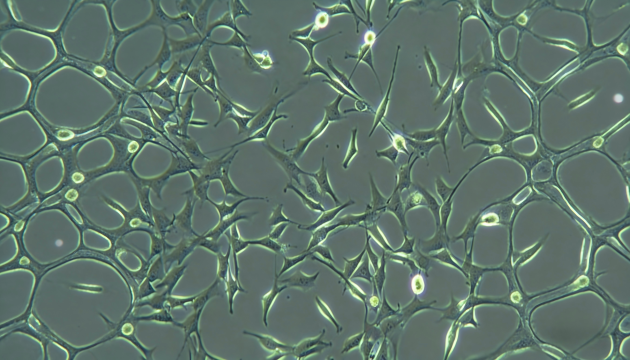
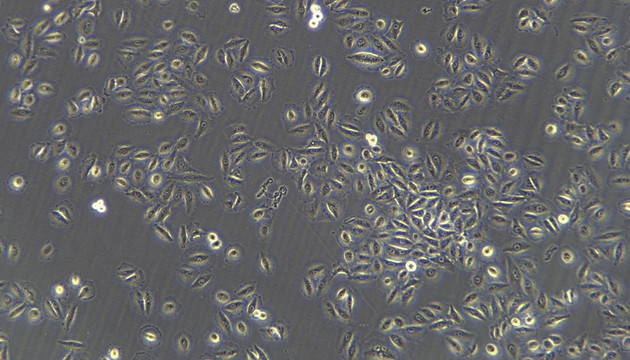
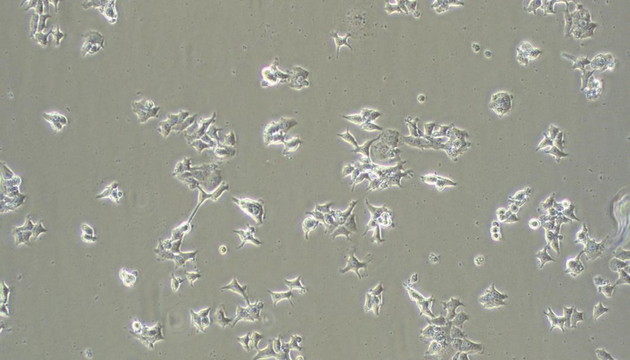
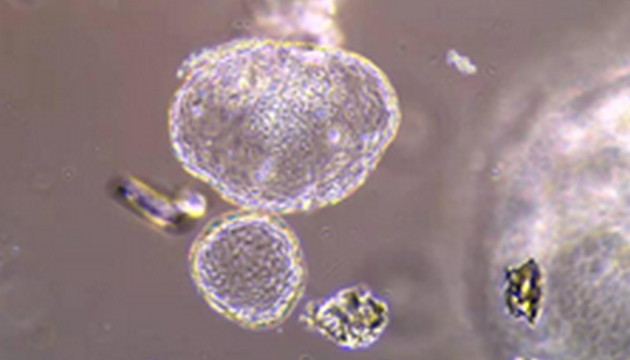
Cell Culture In vitro simulation of the in vivo environment, with artificial control of sterility, temperature, pH, oxygen, carbon dioxide, and nutrient conditions, allows cells to grow and reproduce normally while maintaining their main structure and function. This technology enables a single cell, through controlled culture, to grow into a large number of single cells or poorly differentiated multicellular clusters
Cell culture enables controlled variable studies to investigate cell metabolism, senescence, and drug effects. It produces homogeneous cell populations for experiments, ensuring consistent and reproducible results.
It is widely used in the research and development of drug screening, vaccines, and genetically engineered drugs, as well as in monoclonal antibody production and gene transfer research, driving the advancement of biomedical sciences.
Pain Points of Cell Culture Imaging
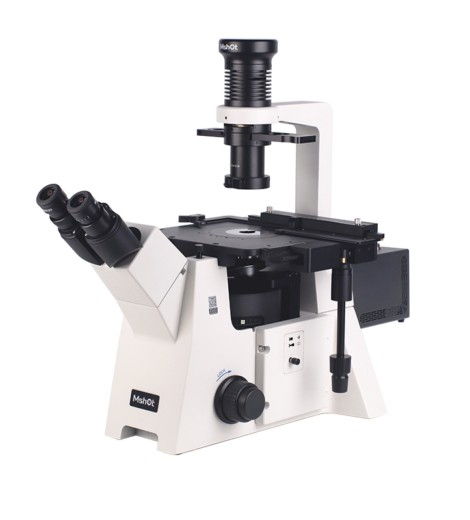
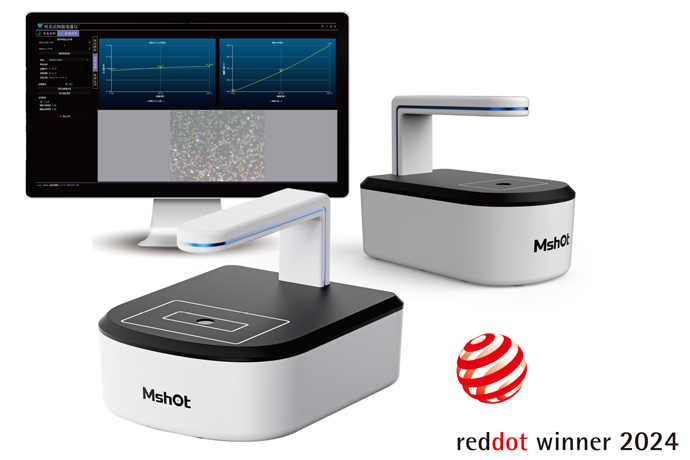
Low-contrast live cells require phase contrast observation for clear identification.Owing to limited space in cell culture environments, equipment must be compact and integrated.LED light sources have replaced mercury lamps, and live cell imagers enable efficient space utilization.For industrial-scale production requiring large-scale cell culture, microscopes must be equipped with large stages and sufficient working space.
Recommended Solutions for Cell Culture Imaging
① MI52-N Microscope + Camera: Supports brightfield and phase contrast observation, compatible with common culture vessels, and upgradeable for fluorescence imaging.
② MI52-CF Microscope + Camera: Features a large stage for observing cell factories.
③ MCS11/MCS21 Imager: Compact and wireless, supporting multiple observation modes.
④ MCF400 Imager: Enables in-situ real-time observation of 40-layer cell factories for efficient monitoring.