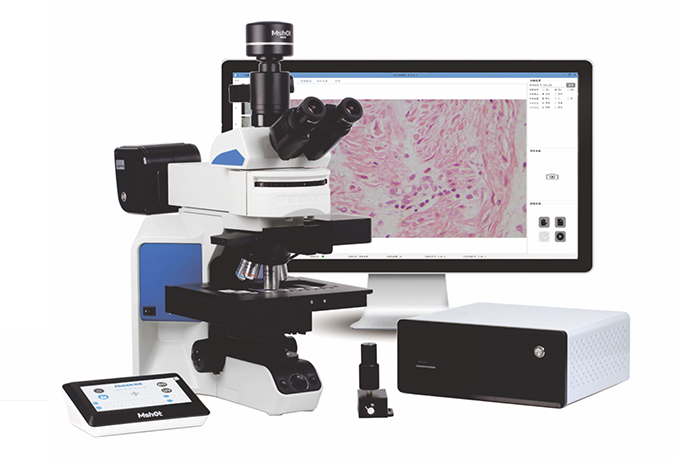
Microscopy Applications in CDC Pathology Laboratories


In addressing emerging infectious diseases, chronic diseases and global public health challenges, pathology laboratories of the Centers for Disease Control and Prevention (CDC) undertake critical tasks including disease diagnosis, pathogen identification and source tracing of public health incidents.

As fundamental equipment in the laboratory, optical microscopes play an irreplaceable role in histopathological analysis, pathogen detection and mechanistic studies.

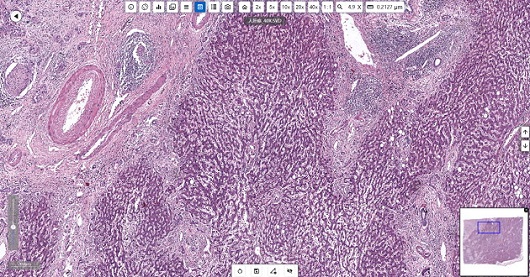
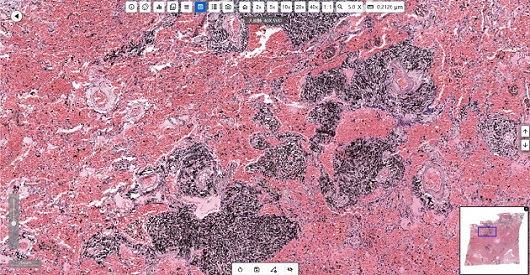
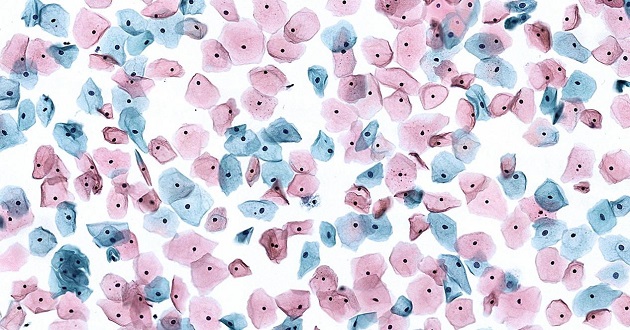
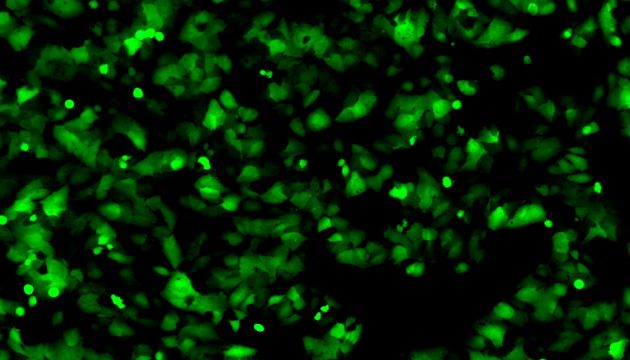
Applications of Microscopes in Pathology Laboratories


Optical microscopes are involved in the entire workflow of disease diagnosis, mechanistic research, and public health decision-making in pathology laboratories of the Centers for Disease Control and Prevention (CDC).


They act as the “eyes” for disease diagnosis, the “probes” for scientific research, and the “cornerstone” for prevention and control decisions.

Challenges of Microscopic Imaging Technology in Pathological Observation


1.Difficulty in observing minute structures: Some tiny structures in cells and tissues, such as organelles and biological macromolecular complexes, are often near or below the resolution limit of optical microscopes.

2.Contrast issues: Low contrast in some samples makes it difficult to distinguish the fine structures of cells and tissues.

3.Optical aberrations: Optical aberrations including spherical aberration, chromatic aberration, and astigmatism can degrade the clarity and accuracy of images.

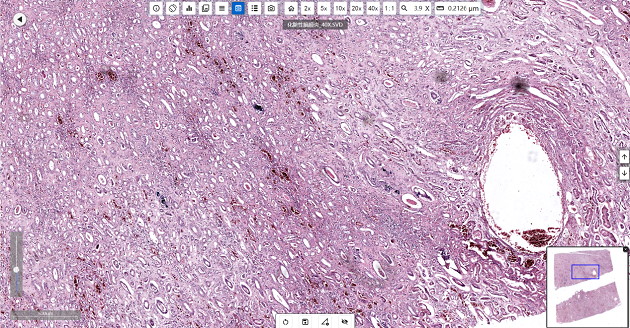
MSHOT Microscopy Solutions


Brightfield Observation Solution
 
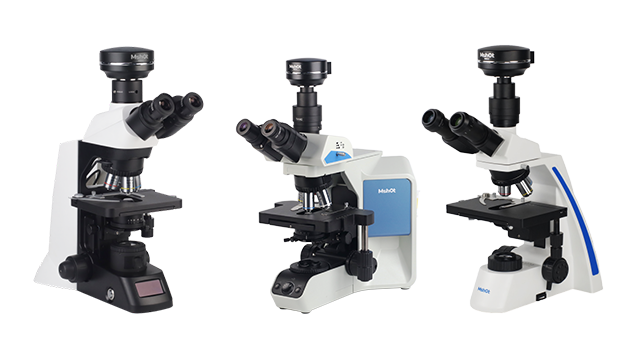
Recommended: Upright biological microscopes ML45/ML51‑N/ML31 with microscope cameras MDX10/MD60, suitable for brightfield observation of Staphylococcus, Vibrio cholerae, Candida and other pathogens.
 
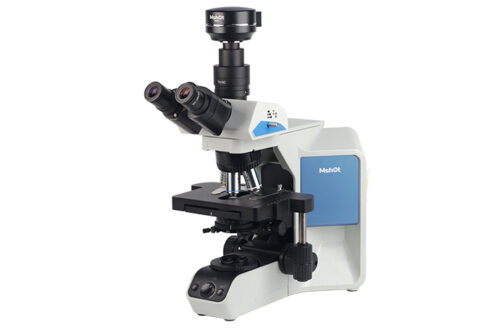
Intelligent digital biological microscope ML45: magnification 40X–1000X, coded objective turret, brightness memory, LED digital display showing real-time working status, ECO auto shut-off when unattended. Upgradable for phase contrast, darkfield, simple polarized light and fluorescence observation.
 
Microscope camera MDX10: 20-megapixel high resolution, 1-inch large-format sensor, 22 frames per second at full resolution, balancing high-definition imaging and speed.

Product Recommendations