Giardia and Cryptosporidium


The term “Two Protozoan Parasites” refers to Giardia and Cryptosporidium, the major waterborne protozoan parasites. They infect humans through contaminated drinking water or food, causing diseases such as diarrhea. Most antibiotics are ineffective against them, posing a serious threat to water quality safety and human health.

Applications of Microscopic Imaging in Giardia and Cryptosporidium Detection


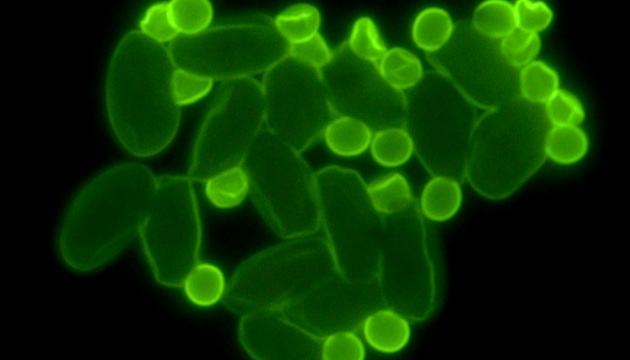
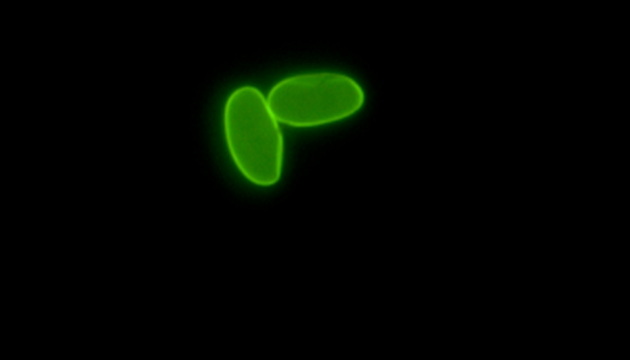
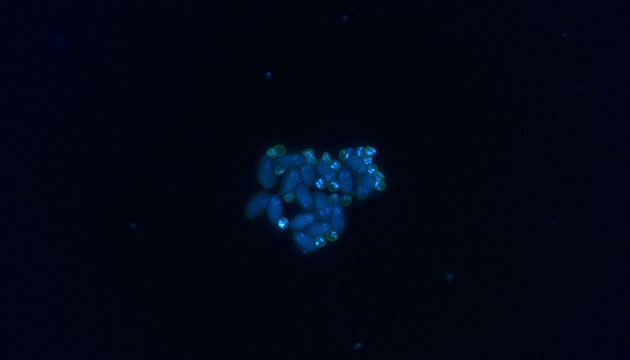
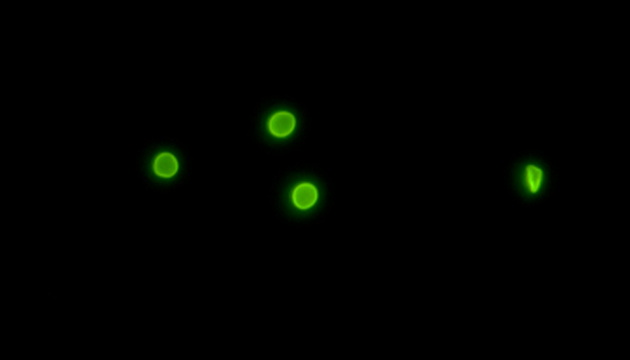
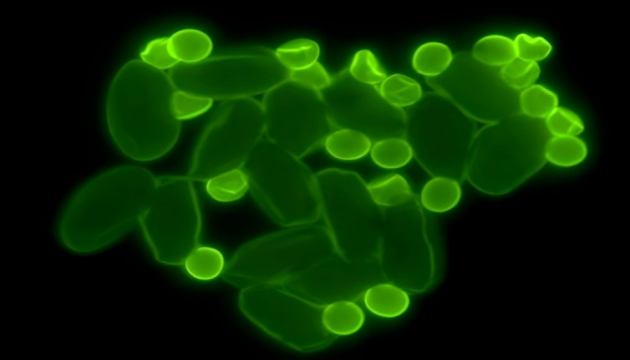
Microscopic imaging plays a critical role in the detection of Giardia and Cryptosporidium. By combining immunofluorescence assays with specialized fluorescence microscopes, it can efficiently distinguish and identify Giardia and Cryptosporidium in water samples, ensuring drinking water safety. This method improves the accuracy and efficiency of detection.

Challenges of Microscopic Imaging in Giardia and Cryptosporidium Detection


The challenges of microscopic imaging in Giardia and Cryptosporidium detection lie in its complex operations and high technical requirements, which rely on manual operation and specialized equipment. Additionally, the instruments are costly to use and difficult to maintain. Furthermore, the tiny size of the oocysts or cysts of these two parasites makes detection challenging and prone to missed results.
Two Parasites solution

Solutions for Microscopic Imaging in Giardia and Cryptosporidium Detection


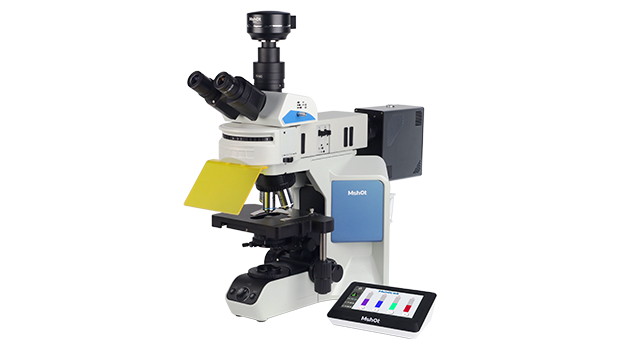
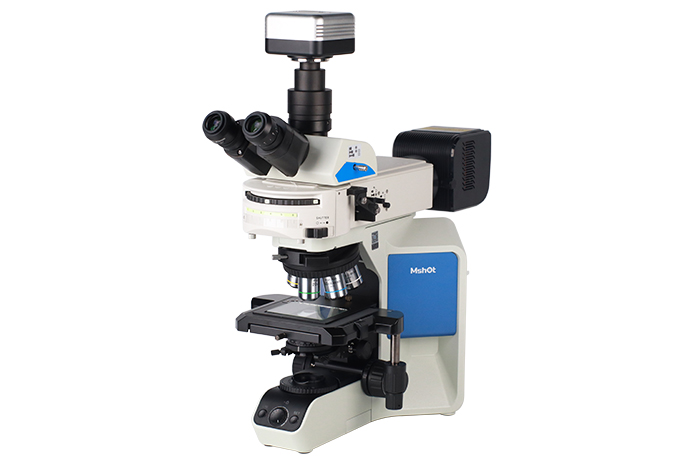
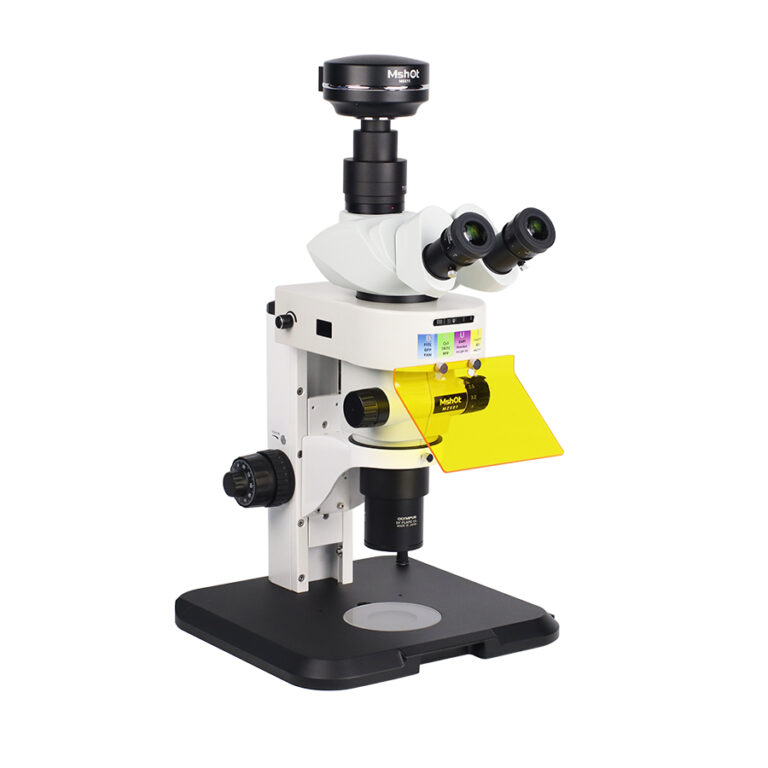
To address the challenges of microscopic imaging in Giardia and Cryptosporidium detection, the cost-effective research-grade LED fluorescence microscope MF43-N can be adopted. It delivers strong fluorescent imaging signals, features simple operation, and achieves a high detection rate, effectively improving detection efficiency and practicality. It is an ideal solution for water quality monitoring institutions.

Product Recommendations