Home » Pharmaceutical
Pharmaceuticals
Applications of Microscopic Imaging in Pharmaceuticals
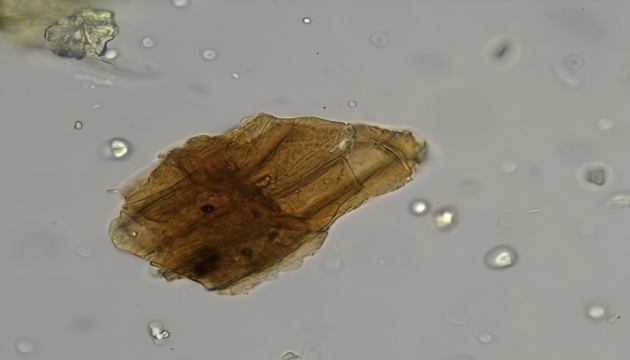
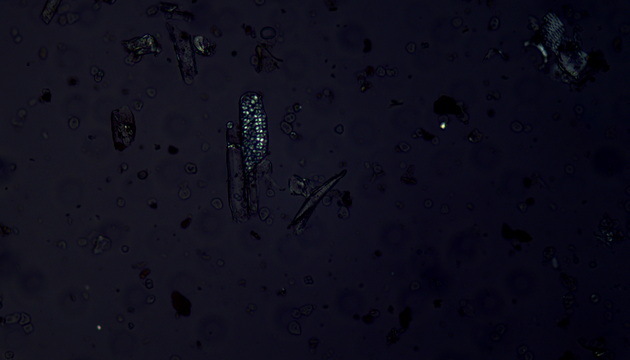
Brightfield observation combined with simple polarized observation is an effective method for identifying powder components of traditional Chinese medicines.
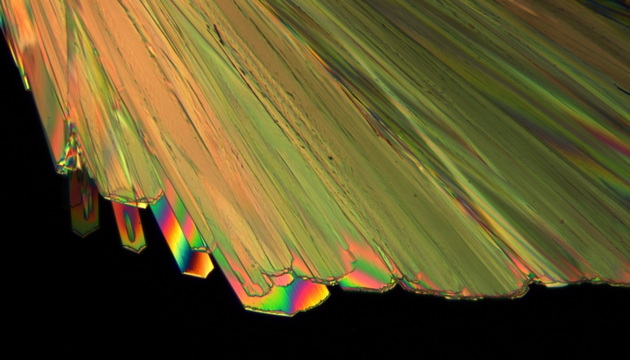
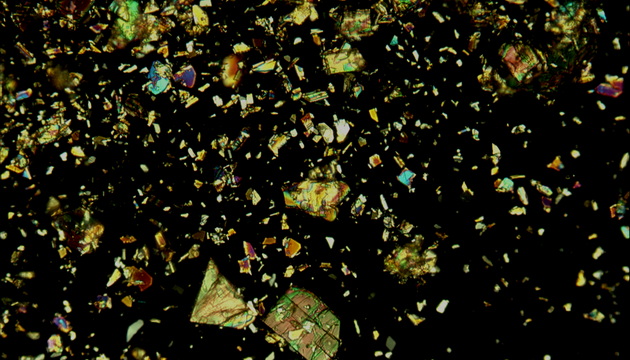
Professional polarized observation can be used to identify the crystal forms of pharmaceutical ingredients. When combined with a constant-temperature & high-temperature heating stage, it enables the study of conditions for crystal form changes, which has a significant impact on the efficacy of chemical drugs.
Challenges of Microscopic Imaging in Pharmaceuticals
Solutions for Microscopic Imaging in Pharmaceuticals
●For large-scale biopharmaceutical applications, the MI52-CF Cell Factory Microscope and MCF400 Cell Factory Imager are recommended.
The MI52-CF features an adjustable condenser height, enabling observation of large-scale culture vessels such as cell factories up to 10 layers.
The MCF400 is specifically designed for imaging cell factories up to 40 layers, allowing observation of the edge conditions of each layer.
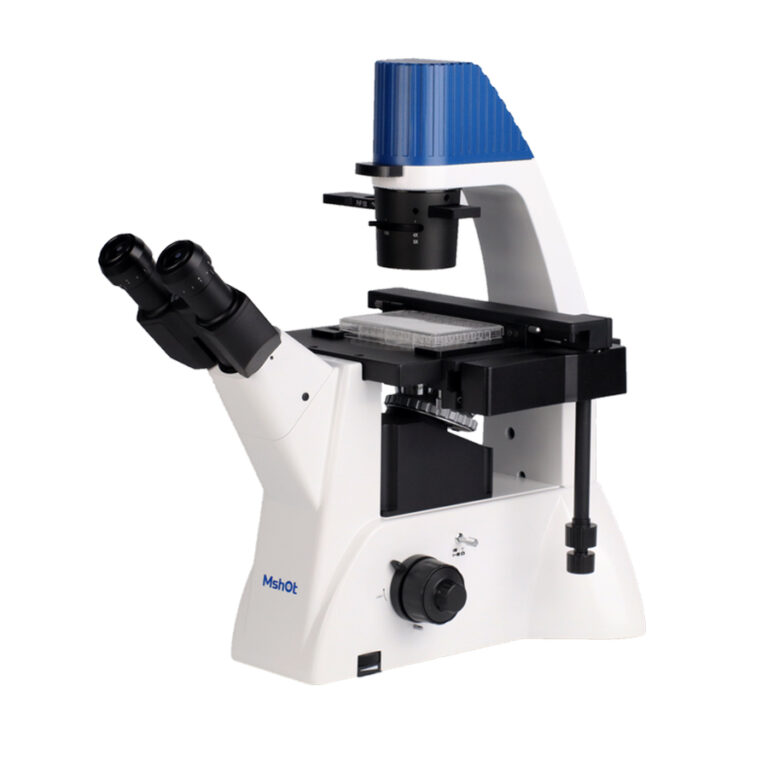
● For general biopharmaceutical applications, the inverted (fluorescence) microscope MI52-N (MF52-N) and live cell imagers MCS11/MCS21 are recommended.
MI52-N/MF52-N supports routine phase contrast observation and fluorescence transfection observation.
MCS11/MCS21 can be placed inside incubators for remote management and long-term imaging monitoring of culture progress, greatly improving work efficiency.
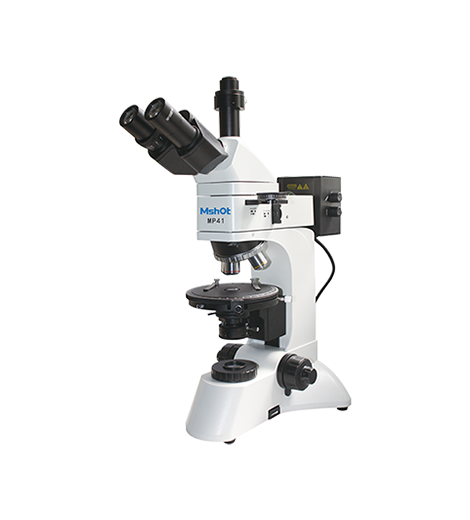
● For chemical pharmaceutical applications, the professional polarizing microscope MP41 with the high-temperature heating stage K3000 is provided to meet the needs of crystal form observation and research.
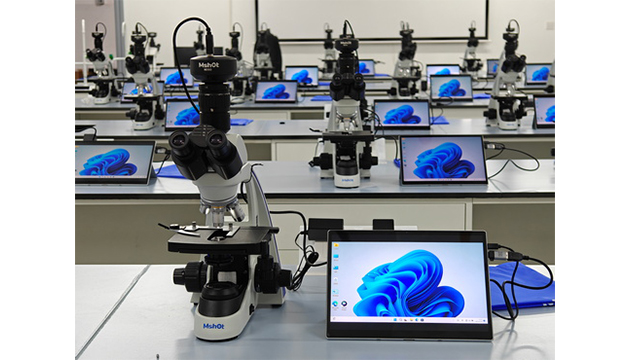
● For traditional Chinese medicine identification, the biological polarizing microscope ML31-P with a microscope camera is recommended, offering simple polarized observation and significant cost advantages.
● For drug efficacy tracking, the inverted fluorescence microscope MZX81/100 with a high-sensitivity camera is recommended.